
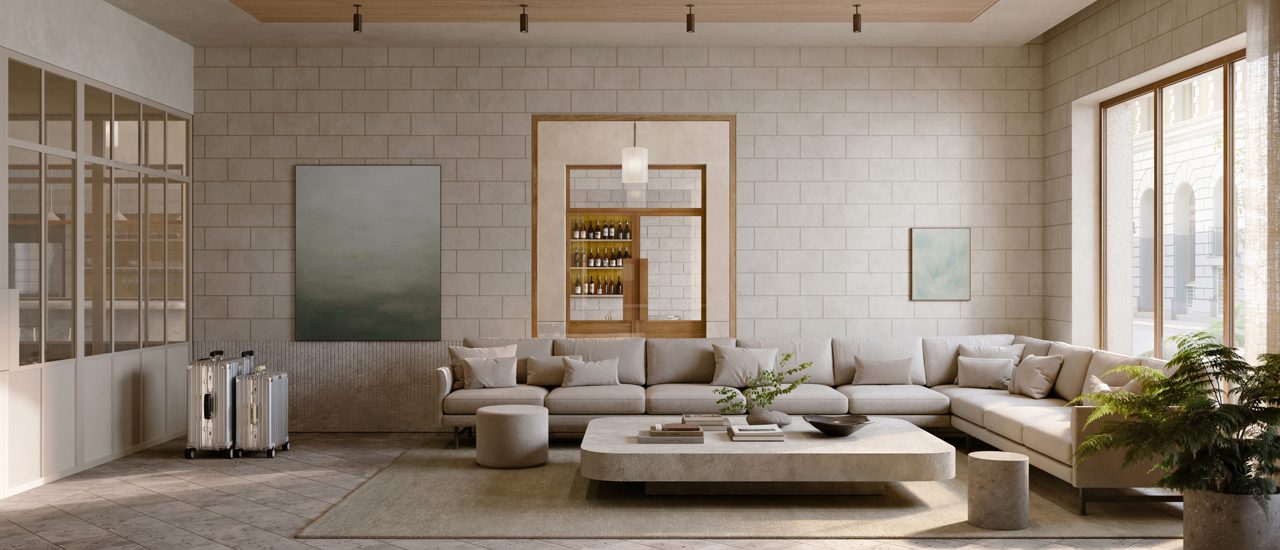
The rise of lifestyle hotels in Budapest: what meeting planners should know
For years, Budapest's hotel market was relatively easy to navigate. International event planners could choose between large business hotels with extensive meeting facilities or luxury properties offering a more premium experience. Today, a third category is becoming increasingly important: lifestyle hotels.
Driven by changing traveller expectations, the growth of bleisure travel and a demand for more authentic experiences, a new generation of design-led hotels is beginning to reshape how visitors experience Budapest. While this trend has been well established in cities such as Copenhagen, Amsterdam and Lisbon, Budapest is now entering a similar phase of development.
For meeting and incentive planners, this shift brings exciting new opportunities.
What is a lifestyle hotel?
A lifestyle hotel is more than just a place to stay.
Unlike traditional business hotels, which prioritise efficiency and functionality, lifestyle hotels focus on creating a distinctive guest experience. Design, atmosphere, local culture, food and community all play a central role.
Guests increasingly want accommodation that reflects the destination they are visiting rather than a standardised hotel experience that could exist anywhere in the world.
Common features include:
- Strong design identity
- Locally inspired interiors and experiences
- Vibrant social spaces
- Contemporary restaurants and bars
- Flexible areas for working and networking
- A stronger connection to the surrounding neighbourhood
For younger business travellers in particular, these qualities are often just as important as room size or conference facilities.
Budapest’s new lifestyle wave
Several recent developments suggest that Budapest is becoming an increasingly attractive market for lifestyle hospitality brands.
One of the most notable arrivals is PURO Budapest, the Polish brand’s first property outside its home market, opening soon, in 2026, in Budapest. Known for combining thoughtful design with local character, the hotel reflects the growing demand for accommodation that feels contemporary, creative and connected to its surroundings.
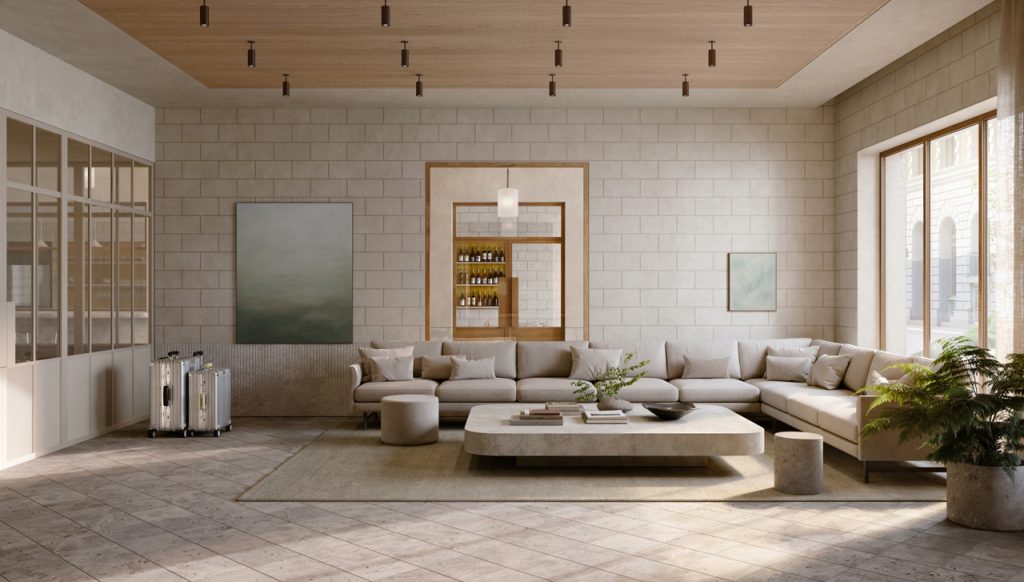
PURO Budapest
At the same time, newly renovated boutique properties and design-focused hotels across the city are helping to broaden Budapest’s accommodation offering. Rather than competing solely on luxury or price, these hotels are differentiating themselves through atmosphere, storytelling and guest experience.
This evolution mirrors a wider shift across Europe, where travellers increasingly prioritise memorable experiences over traditional hotel categories.
Set within the iconic Klotild Palace, The St. Regis Budapest brings a new level of luxury hospitality to the Hungarian capital. Blending historic grandeur with contemporary elegance, the hotel offers a highly personalised guest experience, refined dining concepts and exceptional event spaces. Its arrival further strengthens Budapest’s position as a destination capable of hosting premium meetings, incentives and executive events.
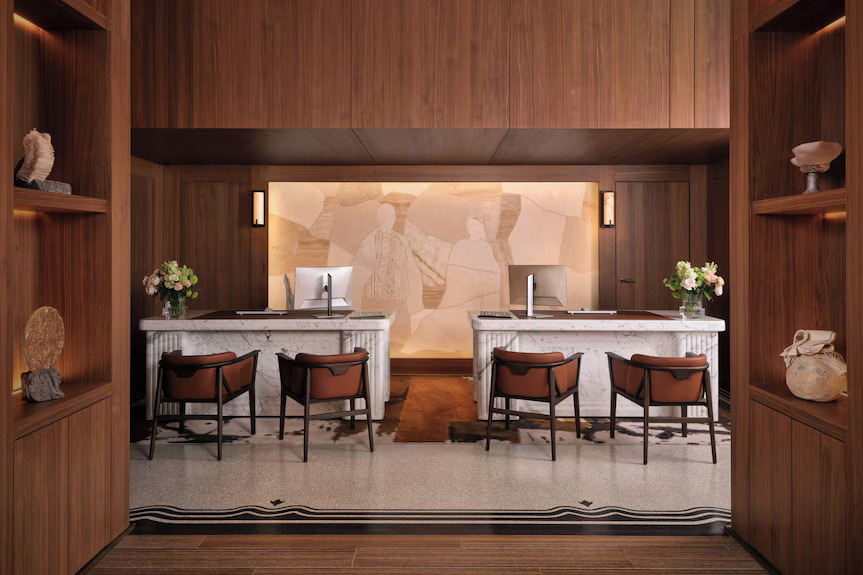
Klotild Palace, The St. Regis Budapest
Located just steps from the Danube and the city centre, Mamaison Hotel Chain Bridge Budapest represents a fresh take on boutique hospitality. The property’s design draws inspiration from Budapest’s cosmopolitan heritage while offering modern comforts and stylish communal spaces. It appeals to travellers seeking a more intimate and locally inspired alternative to traditional business hotels.
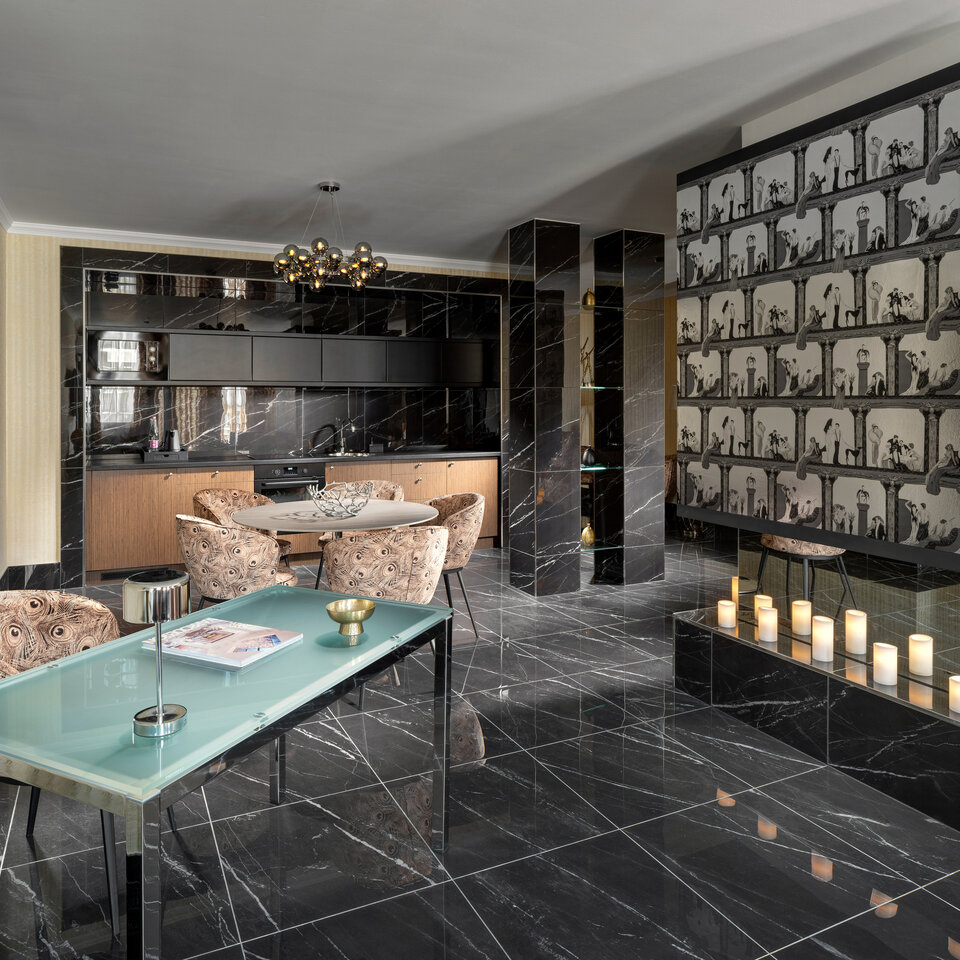
Mamaison Hotel Chain Bridge Budapest
Created for a new generation of urban travellers, Mamaison Vibe Hotel Budapest Downtown combines contemporary design, technology and flexibility in a lively city-centre setting. The hotel’s youthful atmosphere, social spaces, and lifestyle-driven approach make it particularly attractive to bleisure travellers, creative professionals, and smaller corporate groups seeking something beyond the conventional hotel experience.
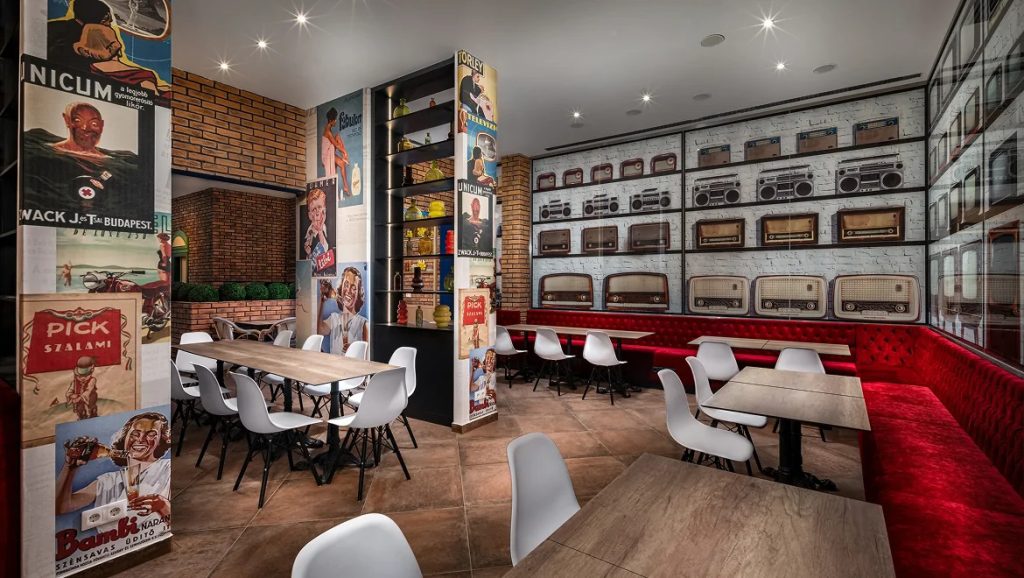
Mamaison Vibe Hotel Budapest Downtown
Part hotel, part hostel and part community hub, JO&JOE Budapest brings a fresh and unconventional hospitality concept to the city. With its energetic atmosphere, flexible accommodation options and strong focus on social interaction, the property caters to younger travellers, start-up communities and informal group programmes. It reflects a wider trend towards experience-led travel and community-driven hospitality.
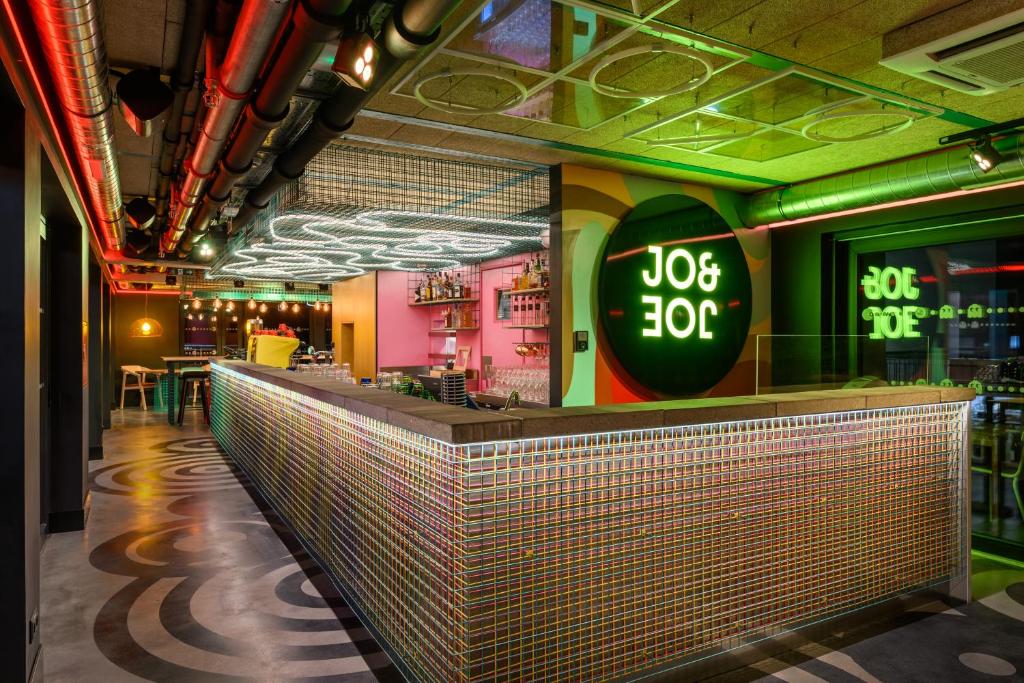
JO&JOE Budapest
A better fit for bleisure travel
The growing popularity of lifestyle hotels is also closely linked to the rise of bleisure travel.
Business travellers increasingly add personal leisure time to work-related trips, whether by arriving early, extending their stay or exploring the destination between meetings. Budapest is particularly well-positioned for this trend. The city’s compact layout, vibrant culinary scene, thermal baths, cultural institutions and walkable neighbourhoods make it easy to combine business commitments with leisure experiences.
Lifestyle hotels naturally support this behaviour by encouraging guests to engage with the city rather than simply pass through it.
What this means for Budapest
Budapest has long been known for its historic architecture, impressive event venues and excellent value for money. As the hospitality landscape evolves, Budapest is increasingly positioning itself as a destination that combines creativity, culture and contemporary experiences with the infrastructure expected by international business travellers.
For meeting planners, this means more flexibility when designing programmes and more opportunities to surprise returning guests.
As new lifestyle brands enter the market and existing properties continue to evolve, one thing is becoming clear: the future of business travel in Budapest is about more than where guests sleep. It is about how they experience the city from the moment they arrive.