
The 5 coolest things in Budapest no one talks about
Budapest is easy to like. Landmarks, views, history — they do their job. But the city’s real value isn’t in what’s obvious. It’s in the layers you only notice if you spend a bit more time — or if someone local points you in the right direction.
1. The Budapest underground cinema culture
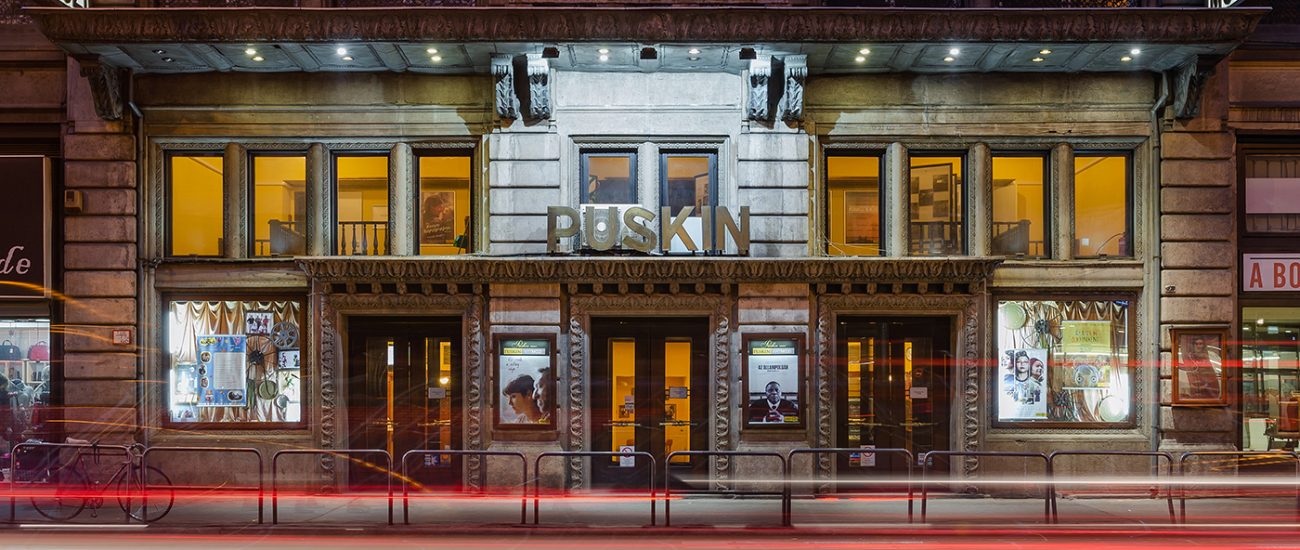
Budapest has a strong but under-communicated art cinema scene. Places like Toldi Mozi, Művész Mozi or Uránia Nemzeti Filmszínház don’t just screen films — they curate them. European premieres, festival selections, retrospectives, niche documentaries. And their history itself is like a movie! Uránia Nemzeti Filmszínház, for example, is not just a cinema, but a layered cultural landmark. Originally built in 1896 as an entertainment venue (you know, a bar with a dancefloor), it was transformed into a scientific theatre by 1899. Since 1911, it has operated as a cinema and is often considered one of the birthplaces of Hungarian filmmaking. Its interior combines Moorish and Venetian Gothic elements, creating a distinctly theatrical atmosphere. Today, it functions as a cultural centre with a strong focus on presenting Hungarian and European film values.
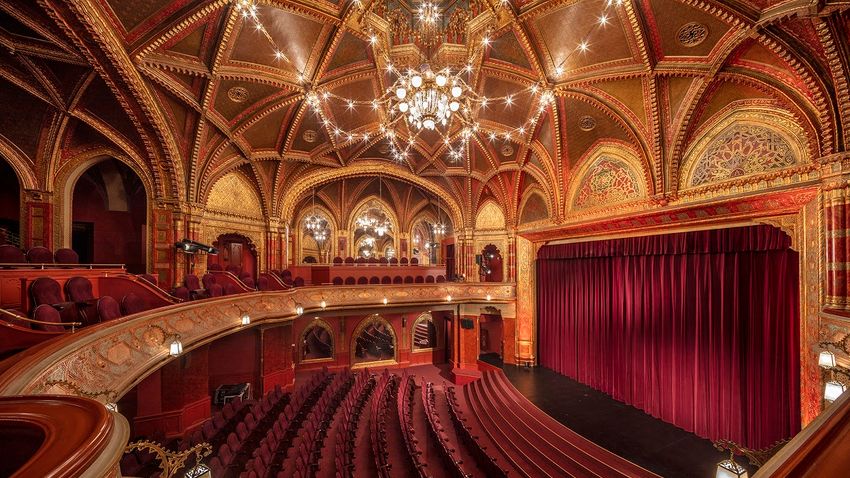
The Uránia cinema and theatre.
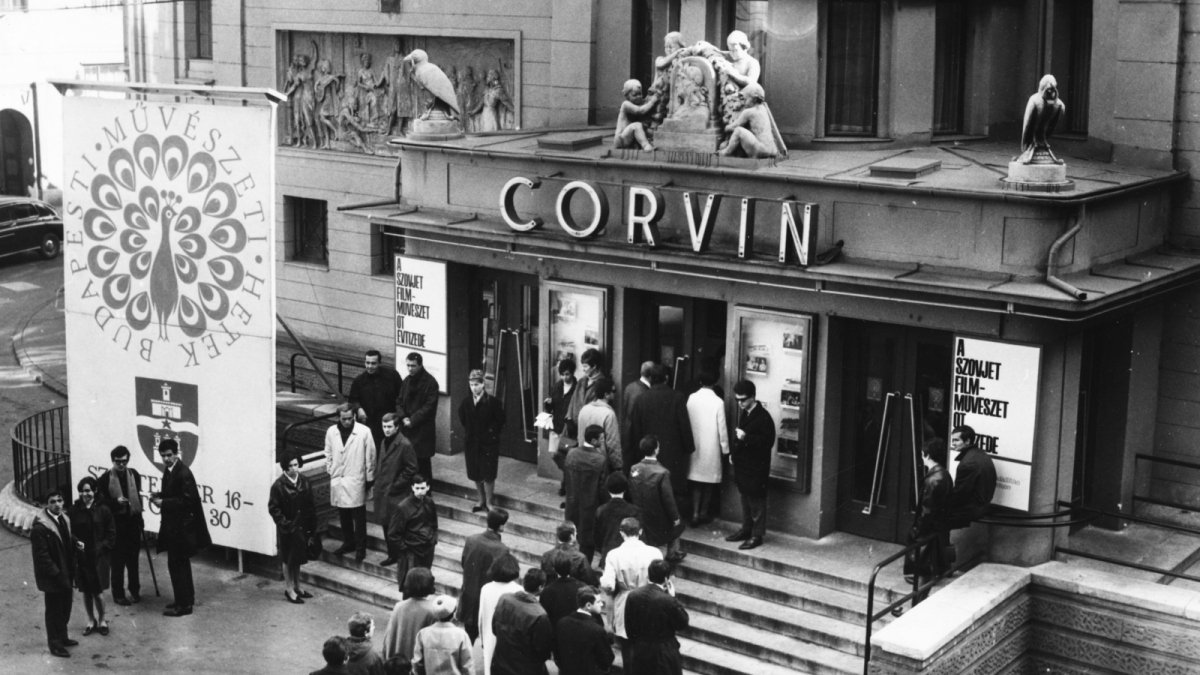
Corvin cinema in the 1970s.
The audience is mixed at these places: students, creatives, and older regulars who’ve been coming for decades. The atmosphere is quiet, focused, and slightly nostalgic. It’s one of the few places where Budapest feels slow in a good way.
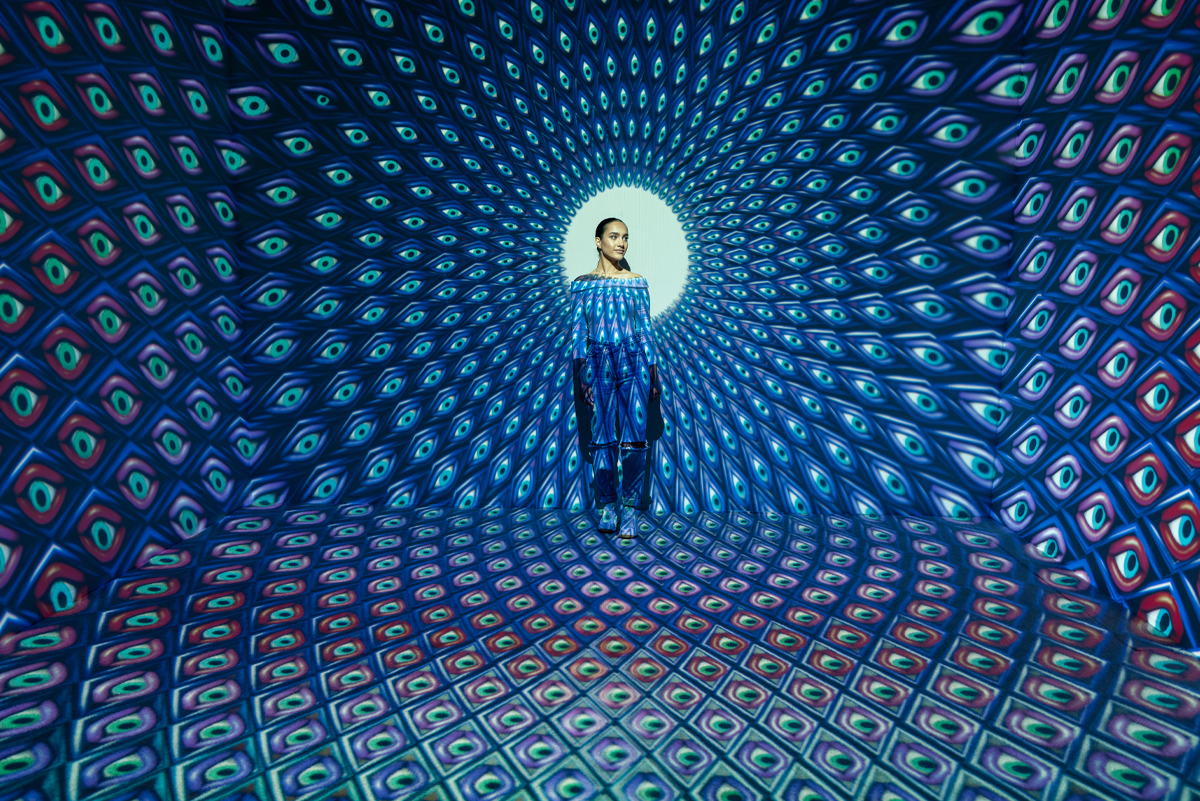
And if we’re talking about cinema, we have to bring in something totally different: Cinema Mystica represents a different direction within Budapest’s film and visual culture scene. Rather than traditional storytelling, it focuses on immersive digital environments—large-scale projections, light installations, and sound design — that place the visitor at the centre of the experience. It sits somewhere between cinema, exhibition, and sensory installation. The space is continuously evolving, often featuring works by international and local media artists, and it attracts a younger, visually driven audience. It’s less about watching and more about being surrounded — a shift from passive viewing to active perception.
2. Coffee as a cultural space
The speciality coffee scene here has evolved into something broader than coffee. You don’t have to stand in line before New York Café to get some good cup of coffee (but if you haven’t been there you should do it one: it’s sad to be the most beautiful coffee house in Europe, and this is where Hungarian writers had their black coffee and a cigarette over their last novels 40-50 years ago). Spots like Kollab operate at the intersection of café, gallery, and community space — hosting contemporary exhibitions alongside a very deliberate coffee program. Others function as informal creative hubs, where designers, freelancers, and small teams spend hours working, meeting, or just being.
You’ll notice details: custom ceramics, rotating visual identities, and collaborations with local artists and some speciality coffee that’s less about consumption and more about presence.
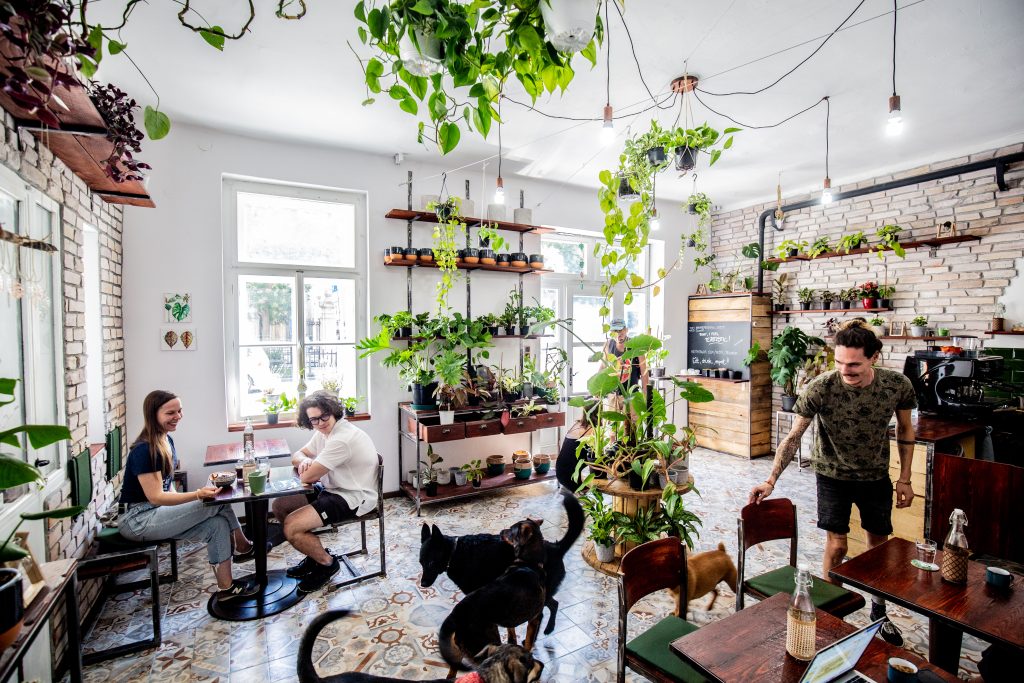
Pesti Palánta café.
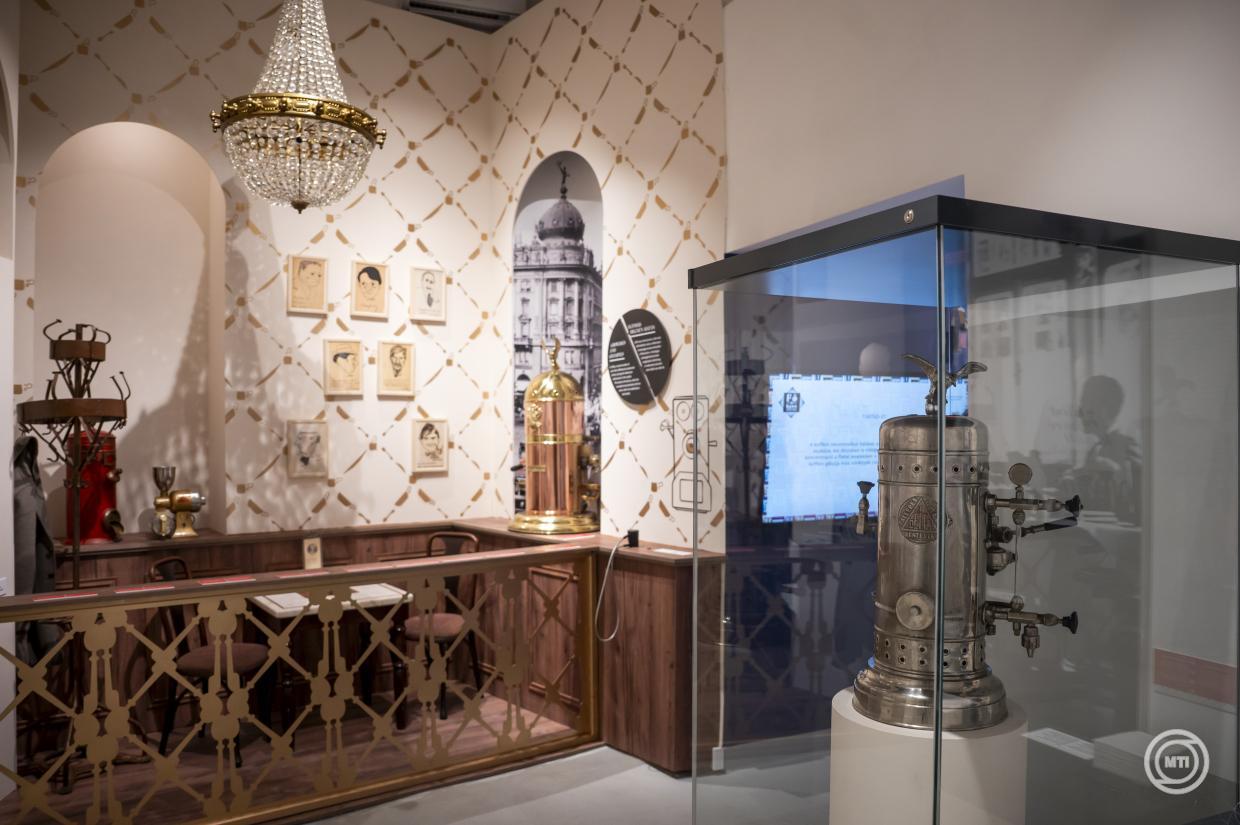
Budapest coffee museum.
3. Budapest underground architectural layer
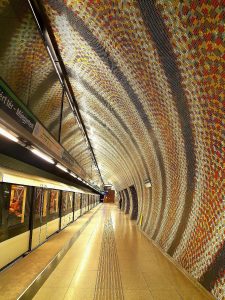
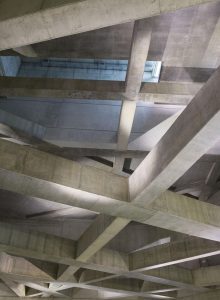
Budapest is usually framed through its historic architecture — but that’s only one layer. There are also large parts of the city shaped by late modernist and socialist-era design. Metro stations, residential blocks, cultural buildings. Not always conventionally attractive, but visually strong in a different way: raw materials, bold geometry, repetition. In districts like VIII or along certain metro lines, this creates a more urban, textured atmosphere — closer to a Central-Eastern European street aesthetic than to a postcard city. It’s part of the city’s identity.
4. The Danube as a living space
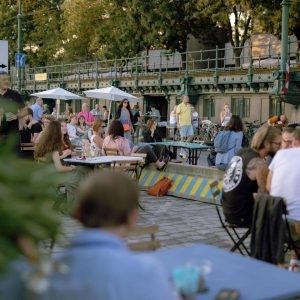
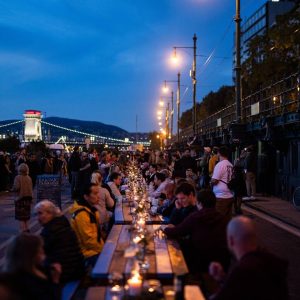
Most cities have a river. In Budapest, this river has a soul. During summer, parts of the lower embankment are periodically closed to traffic — often with the involvement of the Valyo Foundation, with a mission to make people connect with the Danube more. What you get is a temporary public space: people sitting on the curb, improvised bars, community setups. And notably: free cultural programming. Jazz, hip-hop, small live concerts, and DJ sets — informal, open, and accessible.
It shifts the Danube from a visual asset into a social one, where you can bathe in living culture.
5. Hidden craft & micro-scenes
Budapest’s creative output rarely concentrates in one place — it’s scattered. You’ll find it in courtyards like Paloma Artspace, where independent designers and makers share small studios and shops. Or in places like Rododendron Art & Design Shop, which blends contemporary Hungarian design with curated objects.
There are also smaller, harder-to-label spaces — hybrid vintage stores, micro-galleries, temporary exhibitions behind almost invisible entrances. These are not “must-see” locations in a traditional sense. But they are where the city’s current creative energy is most visible.
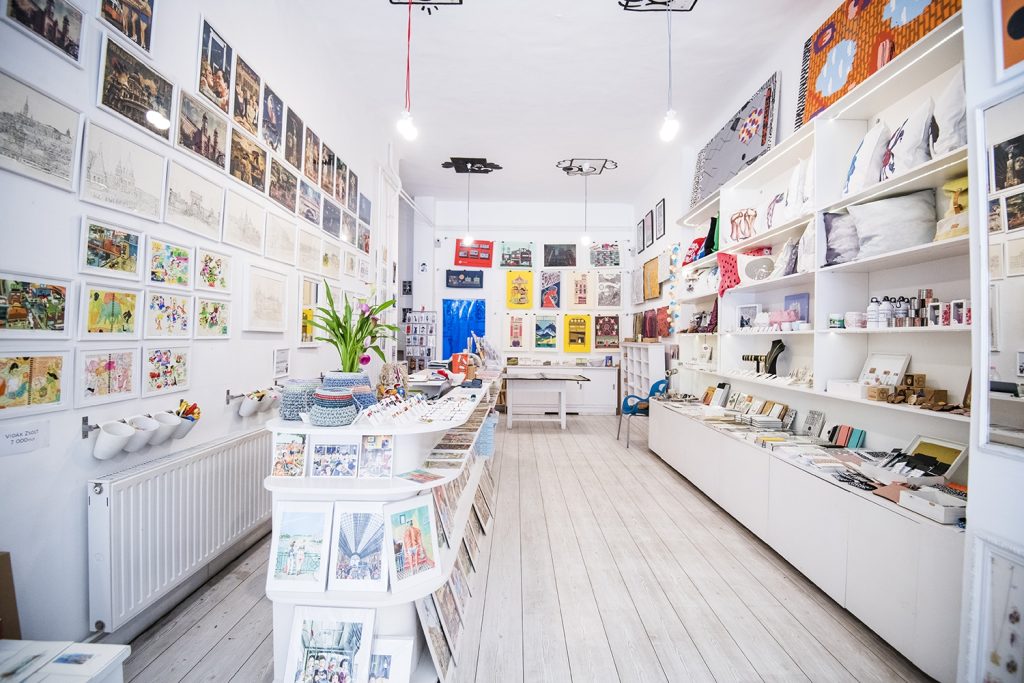
The Rododendron art gallery.